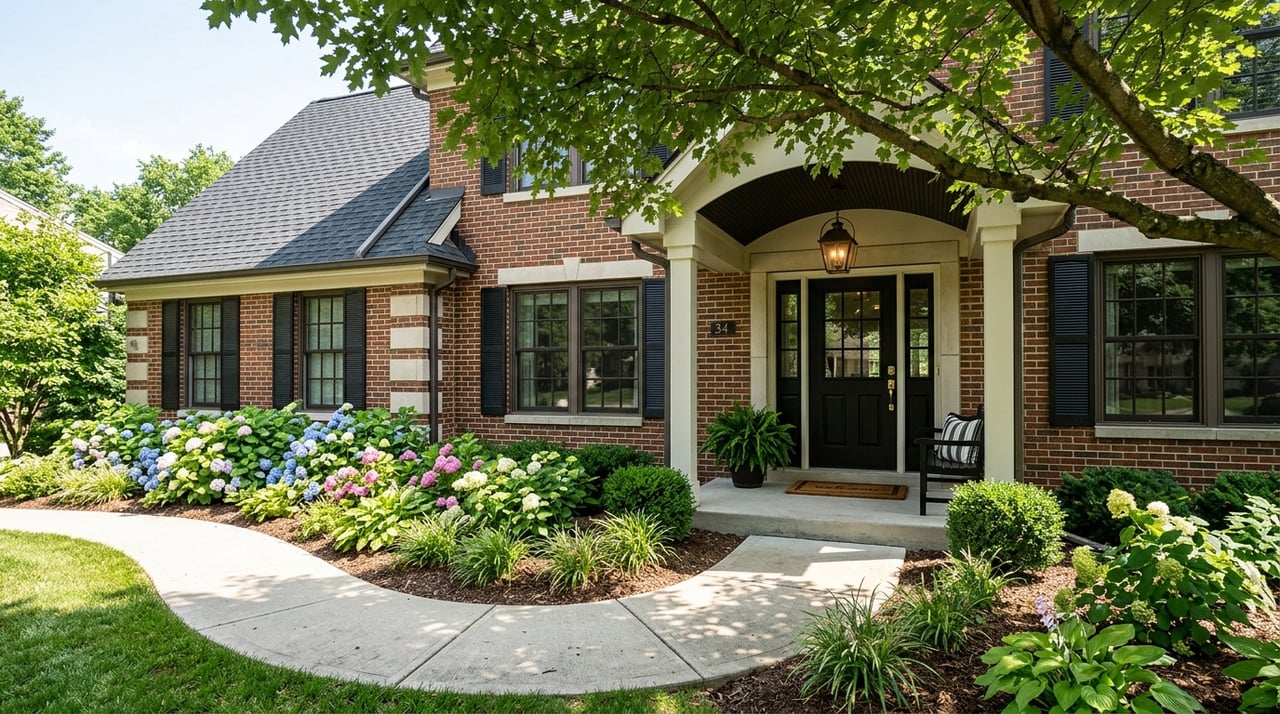
Troy Illinois Neighborhoods: Compare New vs. Established
June 11, 2026
June 11, 2026
If you are torn between a newer subdivision and an older street in Troy, you are asking the right question. The best fit often comes down to how you want to live day to day, not just what a home looks like online. In Troy, both options offer real advantages, from planned layouts and newer infrastructure to mature trees and central convenience. Let’s break down what to compare so you can move forward with confidence.
Troy continues to grow while keeping its small-town feel, and that makes the neighborhood decision especially important. The city highlights access to I-55, I-70, I-270, U.S. Route 40, and U.S. Route 162, which means location can shape your commute and your daily routine.
The city’s planning goals also show where Troy is headed. Local plans emphasize walkability, neighborhood-scale commercial areas near homes, and varied housing styles in newer developments. That means buyers in Troy are often choosing between two different living experiences, not just two different home ages.
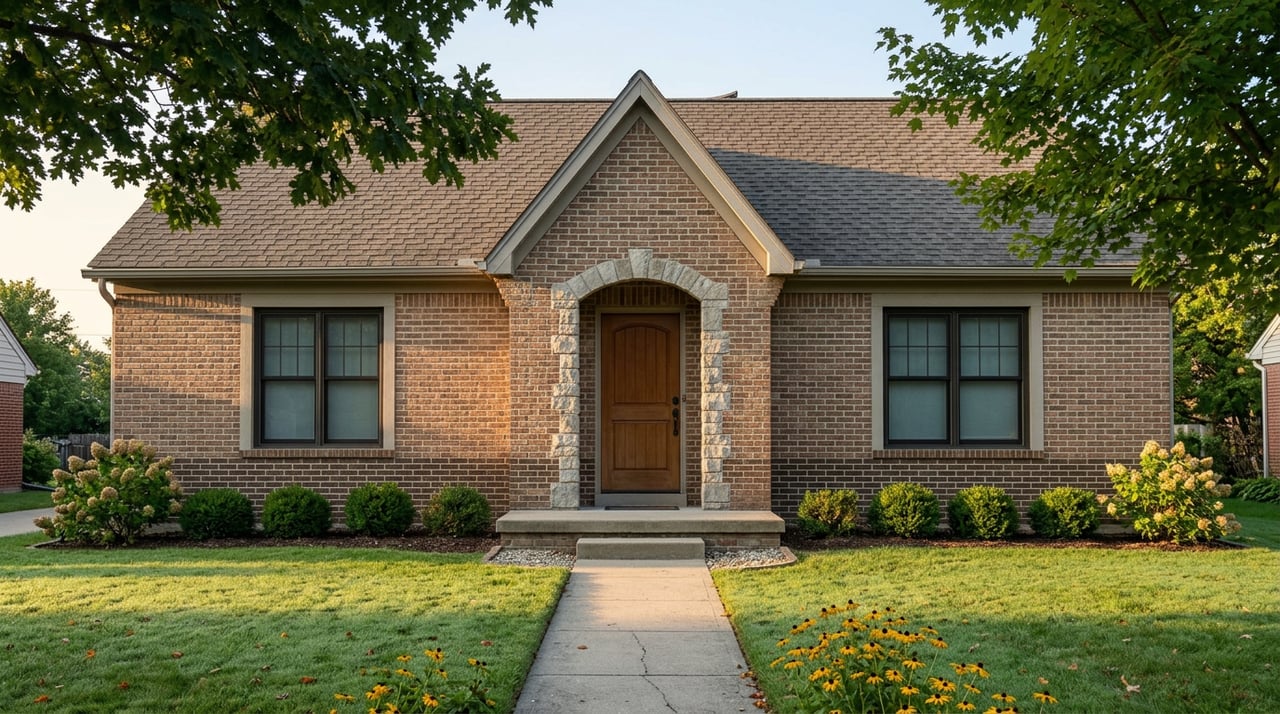
Newer neighborhoods in Troy often appeal to buyers who want a more planned layout and features that support everyday convenience. Depending on the subdivision, that can include sidewalks, streetlights, utilities, and a development pattern designed around newer residential growth.
On Troy’s east side, Shadow Wood is one example of newer development activity. Local reporting notes Phase 3 is planned for 72 single-family homes and five common-area lots, with a mix of 70-foot and 80-foot lot widths. Current listing information for the subdivision also mentions sidewalks, streetlights, and full utilities.
Town Centre Villas shows another side of newer development in Troy. City council minutes describe it as a mixed-use project with 40 residential villa lots and 10 commercial lots, which reflects the city’s interest in placing some neighborhood services near residential areas.
Waterford Villas adds another option for buyers who do not want only detached homes. Local reporting describes it as a roughly two-acre, 14-unit duplex expansion of Waterford Place. That is a good reminder that newer housing in Troy can include different formats, including attached villa-style living.
If you are considering a newer neighborhood, these are some of the features you may value most:
For many buyers, the appeal is simplicity. A newer area can feel more predictable because the streetscape, lot sizes, and overall layout were designed together.
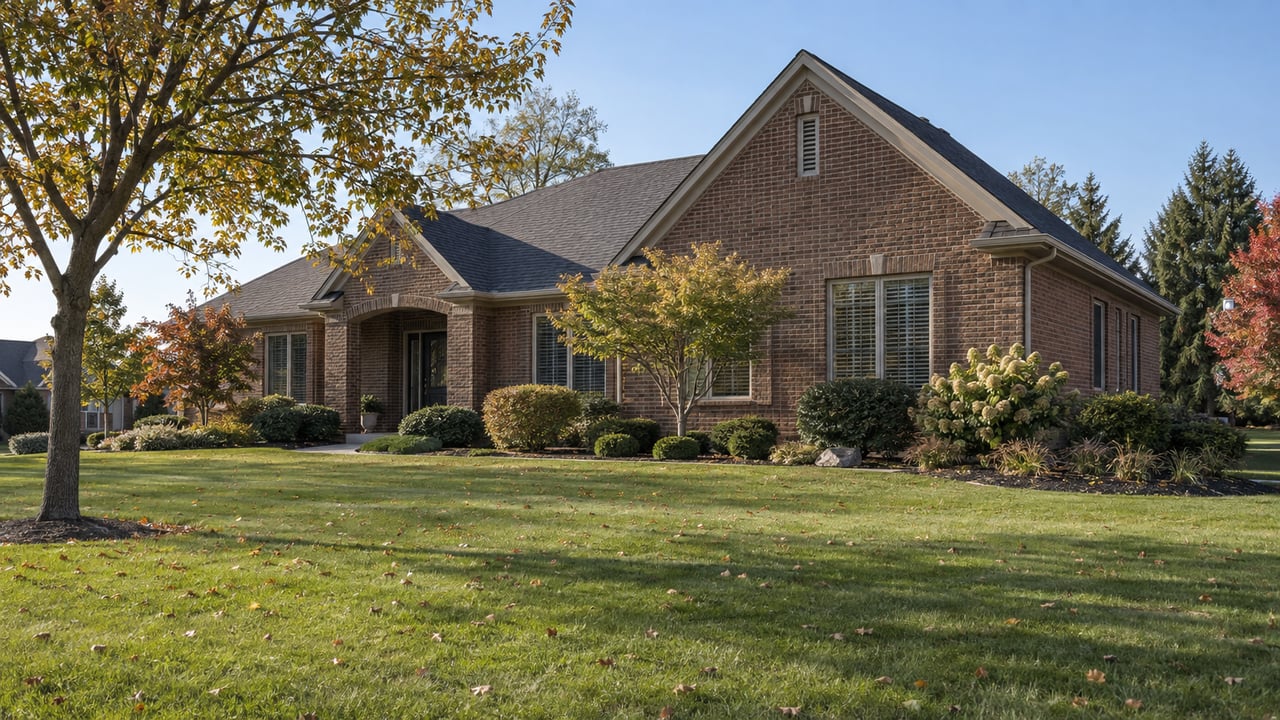
Established neighborhoods in Troy tend to attract buyers who want character, larger variation in lot size, and a more mature setting. City council minutes note that the older part of town has more mature trees and mostly ditch drainage, which helps explain why these areas often feel different from newer subdivisions.
Current listing examples on streets such as Fairoaks, Sundance Trail, and Old Mill Road reflect that established-neighborhood pattern. Those examples show mature landscaping, quiet streets, and lots ranging from about 6,970 square feet to 3.49 acres. That range can matter if you want either a manageable yard or extra outdoor space.
Older housing can also create more pricing variety. Homes.com’s Troy guide says older homes and 1960s-era houses generally sell below newer construction. For buyers balancing wish lists with budget, that can make established areas worth a close look.
Established neighborhoods may be a better fit if you value:
Some older developments may have fewer sidewalks than newer ones, according to Homes.com’s Troy guide. That does not make them better or worse, but it is an important lifestyle detail to notice when you drive through an area.
The best neighborhood for you should support how you actually live. In Troy, that often means looking beyond the house itself and thinking about your regular stops, drive times, and favorite local amenities.
Tri-Township Public Library is on South Main Street, and Tri-Township Park is a central community anchor with sports fields, playgrounds, walking trails, a lake, a dog park, a skate park, an RC crawler course, and a petting zoo. For many buyers, being near these kinds of places shapes day-to-day satisfaction more than a finishes list.
Troy also offers transportation connections that matter for commuters. The city lists MCT Bus, MetroBus, and MetroLink as available transportation options, and it says Troy is about 20 minutes from downtown St. Louis. If you commute frequently, access to the major road network may deserve just as much attention as the house style.
Before you choose between a newer or established neighborhood, ask:
These questions can quickly narrow your options.
In practical terms, buyers often compare newer and established neighborhoods through three lenses: price, speed, and availability. Homes.com’s Troy guide says older homes generally sell below newer construction, while new construction has been selling faster.
That pattern can affect your strategy. If you are focused on newer homes, you may need to move quickly when the right opportunity appears. If you are open to established neighborhoods, you may find a broader spread of home styles and pricing.
This is also where local guidance matters. Two neighborhoods may both look appealing online, but the better value for you depends on lot size, layout, commute patterns, and long-term fit.
| Feature | Newer Neighborhoods | Established Neighborhoods |
|---|---|---|
| Overall feel | More planned and uniform | More mature and varied |
| Streetscape | May include sidewalks and streetlights | Sidewalks may be less common |
| Housing types | Single-family, villas, some attached units | Older homes with broader age range |
| Lot patterns | More standardized lot widths in some subdivisions | Wider variation in lot sizes |
| Setting | Often tied to newer growth areas | Often tied to central convenience |
| Buyer appeal | Newer infrastructure and layout | Character, trees, and flexibility |
There is no universal winner between new and established neighborhoods in Troy. The better choice depends on whether you care more about newer infrastructure and subdivision planning or mature surroundings and central convenience.
If you like a cleaner slate, more recently developed streets, and the feel of a coordinated neighborhood plan, a newer area may suit you best. If you prefer older-home character, mature trees, and more variation from one property to the next, an established part of Troy may feel more like home.
A good home search should match the way you live now and the way you want to live in a few years. That is why it helps to compare neighborhoods in person, talk through trade-offs clearly, and look at more than just listing photos.
If you want practical help weighing newer subdivisions against established streets in Troy, Jay Kehrer can help you compare your options and find the right fit for your goals.
Stay up to date on the latest real estate trends.
We pride ourselves in providing personalized solutions that bring our clients closer to their dream properties and enhance their long-term wealth.