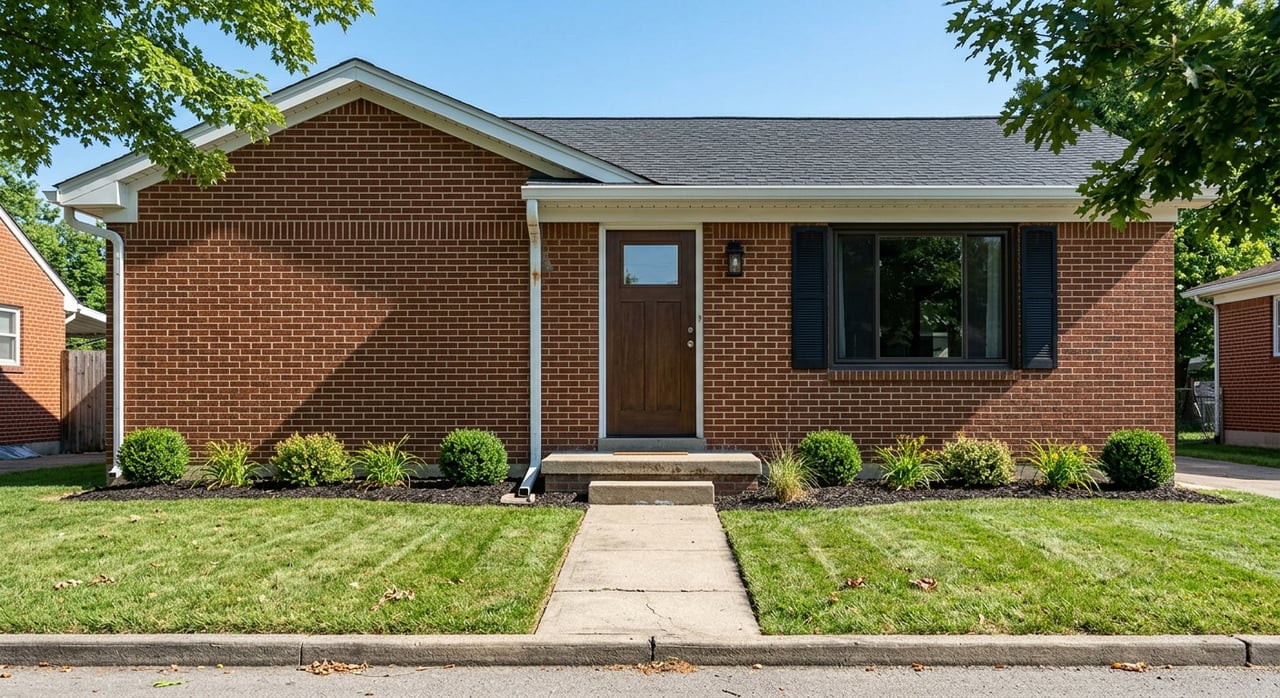
Freeburg Starter Homes Guide for First-Time Buyers
July 16, 2026
July 16, 2026
Buying your first home in Freeburg can feel exciting and a little intimidating at the same time. You want a home that fits your budget, gives you room to grow, and does not surprise you with avoidable costs after closing. The good news is that Freeburg offers a solid starter-home market, especially if you understand local pricing, housing styles, and the steps that matter most before you buy. Let’s dive in.
Freeburg is a small village in St. Clair County with about 4,600 residents and a housing market shaped by long-term homeownership. Census data shows 1,860 housing units, an 82% owner-occupied rate, and an 84% single-unit housing share. That tells you right away that this is largely a detached-home market, not a condo-heavy market.
For first-time buyers, that matters because your options will likely center on traditional single-family homes. You may see more houses with yards, garages, basements, and practical layouts than attached or apartment-style choices. In Freeburg, the starter-home search is usually about finding the right balance of price, condition, and everyday livability.
If you are hoping for a bargain-basement market, Freeburg may not fit that picture. The median value of owner-occupied homes is $241,200, which is higher than the countywide median of $180,300 in St. Clair County. That suggests Freeburg is an established ownership market with steady demand.
Based on recent listing and sale snapshots, the starter-home segment in Freeburg generally clusters in the low-to-mid $200,000s. Renovated, larger, or newer homes can push higher. That does not mean every first-time option will land in the same price band, but it gives you a realistic starting point for your search.
Historical planning data supports that same pattern. The village comprehensive plan found that most owner-occupied homes fell between $100,000 and $399,999, with the largest share in the $200,000 to $299,999 range. Current value data also shows a mix, with 41% of owner-occupied homes under $200,000, 25% between $200,000 and $300,000, and 34% above $300,000.
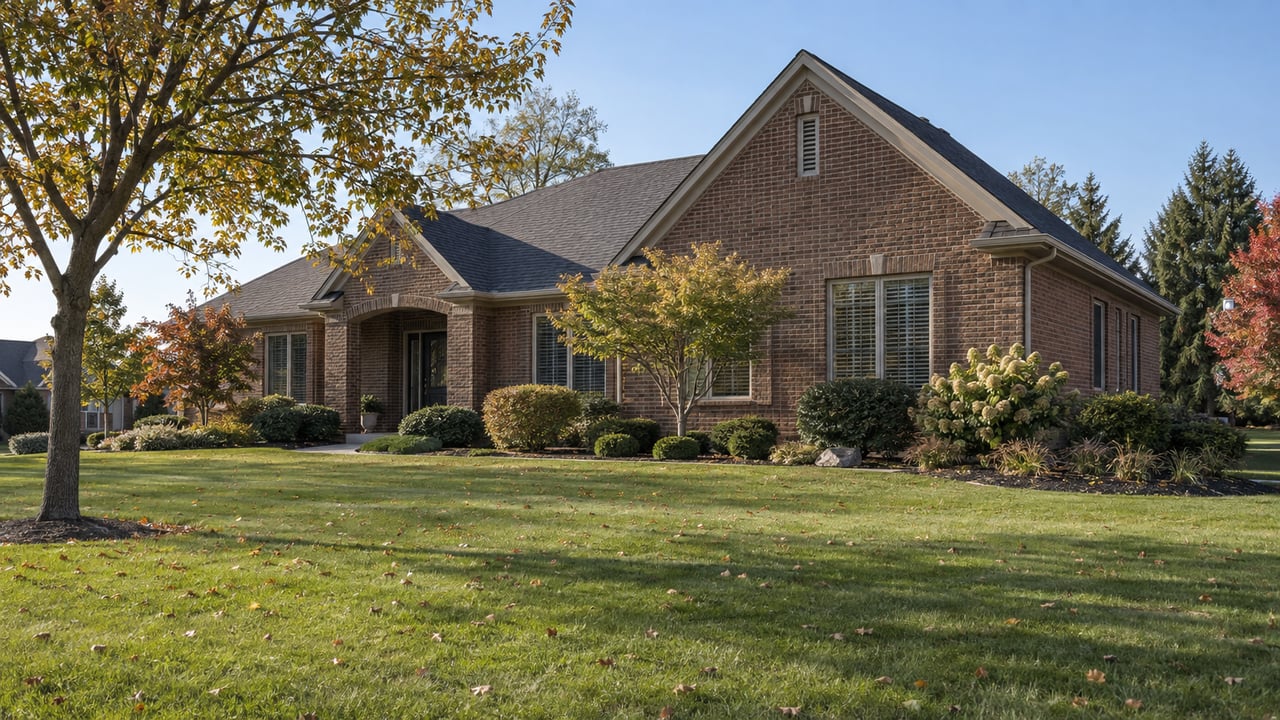
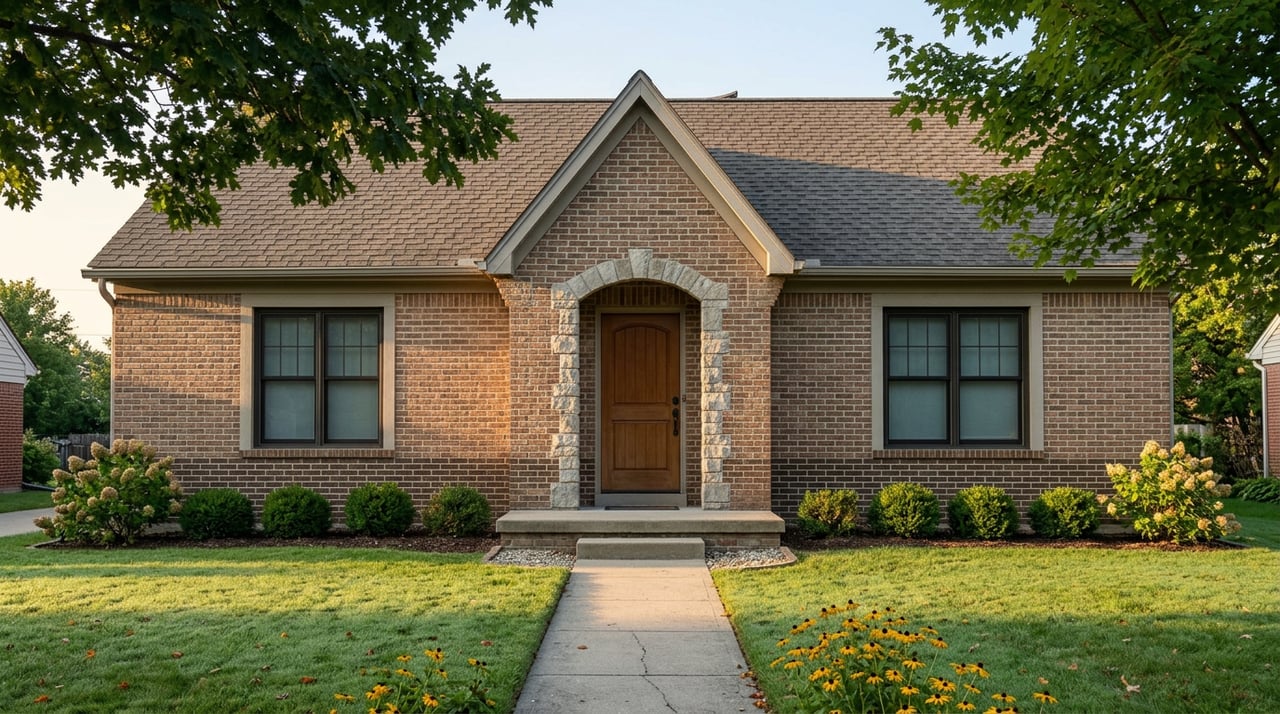
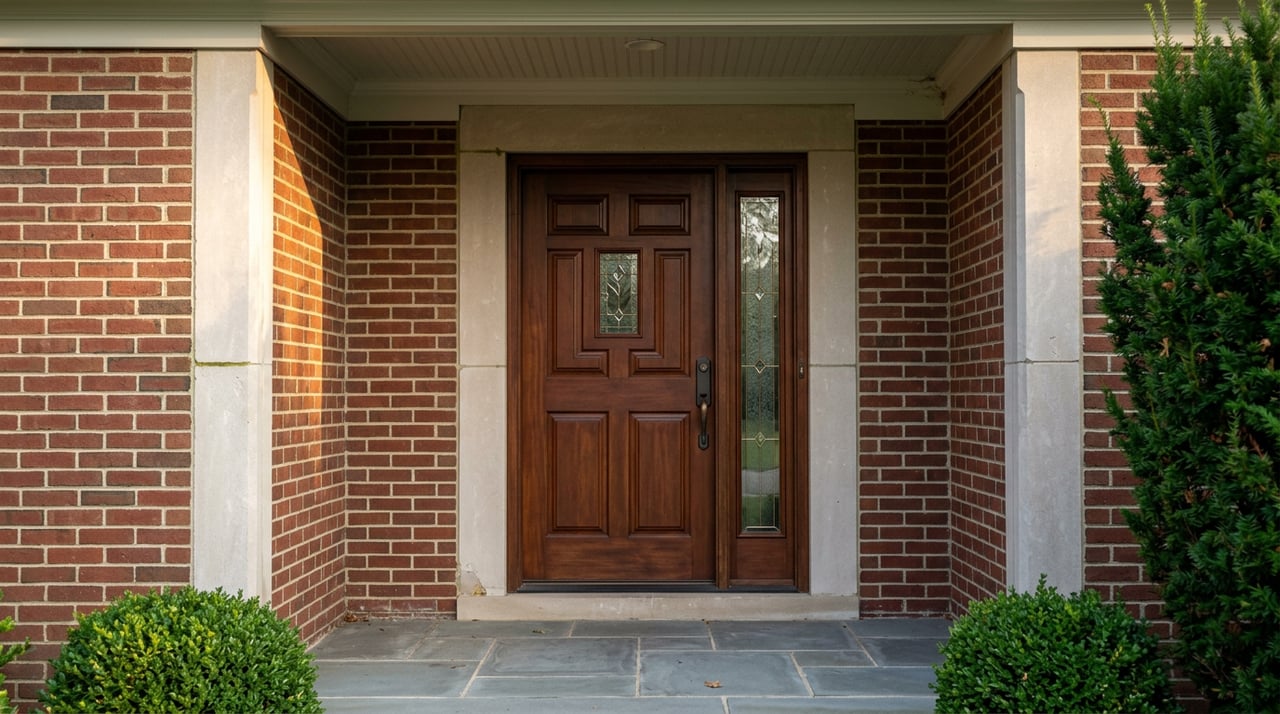
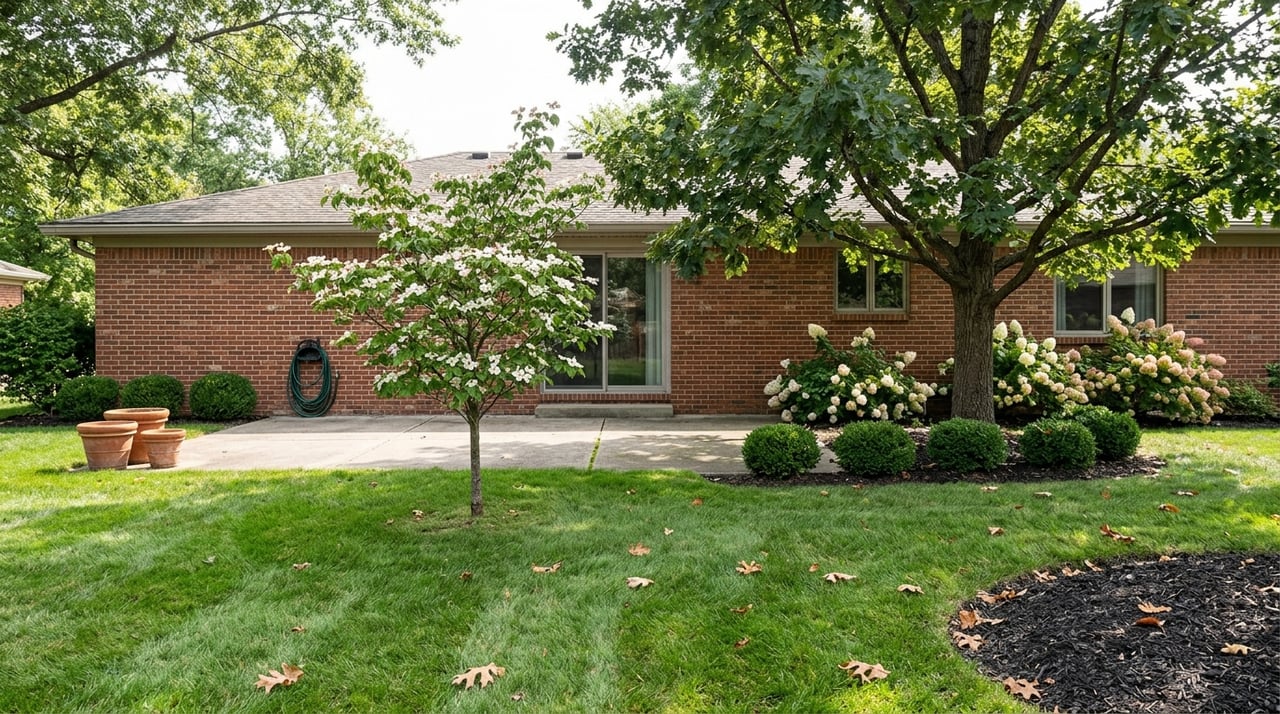
Because Freeburg has such a high share of single-unit housing, many starter homes are established detached houses on private lots. Buyers often compare features like single-story layouts, basements, garages, fenced yards, and lot size along with price. In a market like this, function often matters just as much as square footage.
That can be good news if you want space and everyday practicality. It also means you may need to decide what matters most to you early in the process. For example, you may need to choose between a more updated interior and a larger lot, or between a lower price and a home with fewer mechanical updates.
Freeburg’s housing stock spans many decades. The village comprehensive plan shows homes built before 1940, along with homes from the 1940s, 1950s, 1960s, 1970s, and newer construction from the 1990s and 2000s. That age mix gives buyers variety, but it also means two homes at a similar price can come with very different upkeep needs.
If you are looking at an older starter home, pay close attention to the condition of the roof, HVAC, plumbing, windows, and electrical systems. Cosmetic updates are one thing. Mechanical repairs are where costs can rise quickly after move-in.
This is one reason many first-time buyers benefit from looking beyond finishes. Fresh paint and a stylish kitchen are nice, but the bigger question is whether the home has been maintained well over time. A practical, well-kept home can be a stronger buy than a prettier home with deferred maintenance.
One of the biggest first-time buyer mistakes is focusing only on the down payment. Before you buy, make sure you have a full picture of your finances. Consumer guidance recommends that buyers look at steady income, credit, debt, and enough savings to cover the down payment, monthly mortgage payment, taxes, insurance, closing costs, moving costs, and repairs.
That full-cost view is especially important in a market with older homes. Even if your monthly payment feels manageable, you will want room in your budget for maintenance and unexpected fixes. A starter home should help you build stability, not stretch you too thin.
It also helps to remember that 20% down is not required for every loan. On a $200,000 home, a 5% down payment would be $10,000, and a 3.5% down payment would be $7,000. Your exact options will depend on your loan program and lender terms, so comparing official loan offers can make a real difference.
If you are buying your first home in Illinois, state-level help may be available. IHDA’s Access Home program offers assistance equal to 6% of the purchase price, up to $15,000, to help cover down payment and closing costs. The program can be used for existing homes and new construction.
There are income and purchase-price limits, so not every buyer will qualify. Still, this is worth exploring early if saving for upfront costs is one of your biggest hurdles. In many first-time purchases, the challenge is not always the monthly payment. It is getting through the upfront cash requirements.
In Freeburg, inspections deserve serious attention. A home inspection is not the same as an appraisal, and it should be scheduled as soon as possible after you choose a property. Buyers are encouraged to make the purchase contingent on a satisfactory inspection, attend the inspection if possible, and use the report to renegotiate or walk away if major defects show up.
This step matters in any market, but it is especially important where starter homes may be older. A house can look move-in ready and still have hidden issues. The inspection helps you understand what you are really buying before you commit fully.
If the report finds major concerns, that does not always mean the deal is over. It may mean asking for repairs, requesting credits, or deciding the home is not the right fit. Either way, the inspection gives you information that protects your budget and your peace of mind.
As closing gets closer, one of your most important checkpoints is the Closing Disclosure. Your lender must provide it at least three business days before settlement. This gives you time to compare the final terms and costs with the earlier Loan Estimate and ask questions before signing.
For a first-time buyer, that review window is valuable. It is your chance to slow down and confirm that your numbers match your expectations. If something looks different than you expected, ask about it right away.
You are not committed until you sign, although backing out at the table can have contract consequences. That is why it helps to review everything carefully before closing day instead of waiting until the last minute.
A starter home is not only about the house. It is also about how the location fits your daily life. Freeburg is known as a small community with a rural setting, and it is located about 24 miles southeast of St. Louis.
For commuters, local data shows a mean travel time to work of 22.9 minutes. That helps explain part of Freeburg’s appeal. You can enjoy a small-town setting while keeping workable access to nearby towns and the broader metro area.
The village also highlights amenities such as a municipal pool, the Freeburg Area Library, community events, and local school resources. When you are buying your first home, these everyday features can matter more than you expect because they shape how comfortable the home feels over time.
In a small-town market, local due diligence can save you future frustration. Freeburg makes zoning information and FEMA flood maps publicly available. Those are useful tools to review before closing, especially if you are thinking about future improvements or buying a property where drainage could be a concern.
This matters if you hope to add a fence, build an addition, or make other exterior changes later. It also matters if the lot itself is one of the reasons you like the home. A little research now can help you avoid surprises after you move in.
If you are buying your first home in Freeburg, your best move is to stay realistic and stay prepared. Go in with a clear budget, compare financing options, pay close attention to inspections, and understand how age and condition affect long-term costs. In a market where many starter homes are established detached houses, a practical approach can help you find the right fit.
Having local guidance can make that process much easier. If you want help understanding Freeburg pricing, comparing homes, or preparing to make your first offer, connect with Jay Kehrer for straightforward advice and hands-on support.
Stay up to date on the latest real estate trends.
We pride ourselves in providing personalized solutions that bring our clients closer to their dream properties and enhance their long-term wealth.