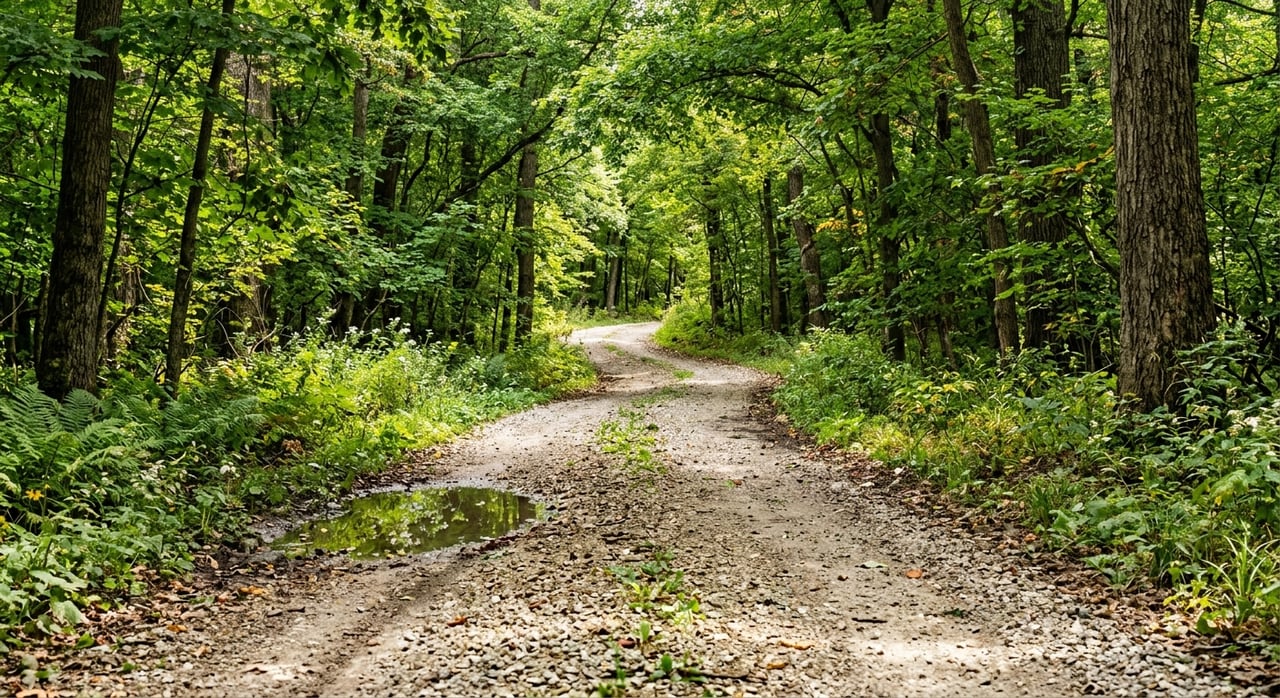
How to Approach Nashville IL Acreage Land Sales
May 21, 2026
May 21, 2026
If you are selling acreage or hunting land near Nashville, IL, pricing it like a house can cost you time and money. Rural land buyers look at access, use, parcel size, and paperwork very differently than traditional homebuyers do. If you want a smoother sale and a stronger result, it helps to understand what drives value and what local rules can affect your timeline. Let’s dive in.
Not all acreage is valued the same way. A farm tract, a hunting property, and a wooded parcel may all sit in the same general area, but buyers often judge them by very different standards.
For productive farmland, value is often tied to soil types, productivity, and land use. Illinois farmland assessments use soil data and productivity factors, which is one reason tax value and market value are not always the same thing. If you own tillable acreage, buyers will likely focus on how the ground performs and how it fits their operation or investment goals.
For hunting and recreational land, the conversation shifts. These parcels are often valued more for habitat, privacy, and recreational use than for row-crop income. Illinois Extension summarized a wide pricing spread in 2024, with a median of $5,250 per acre for recreational sales compared with $16,500 per acre for excellent land, which shows how important property type is when setting expectations.
Wooded and timbered acreage often falls into that same recreational category. Many buyers are paying for the land’s use and feel, not just its annual production. That means your marketing should match the property’s strongest appeal instead of forcing it into a farmland-only box.
Nashville serves as a practical hub for Washington County services, with county offices and related resources located there. That matters because many rural landowners in the area are not just buying a tract on a map. They are buying into a location that functions as a service center for surrounding properties.
The wider Illinois land market also helps explain today’s buyer pool. In the 2026 Illinois farmland outlook, local farmers made up 56% of buyers, while individual non-farming investors accounted for roughly one-third. That means your acreage listing should speak to more than one type of buyer.
Some buyers may be neighboring operators looking to expand. Others may be investors, recreational buyers, or people working through a 1031 exchange who need time and privacy in the process. A one-size-fits-all approach can miss serious demand.
Illinois farm real estate averaged $8,930 per acre in 2025, but the statewide outlook points to a more stable and slightly softer market than the rapid appreciation of prior years. In that same outlook, 61% of respondents expected 2026 prices to decline modestly, while 77% still expected prices to be higher five years out.
That is a useful reminder for sellers near Nashville. You may still have strong long-term value, but buyers are likely to be more selective in the short term. Overpricing can make a rural listing sit, especially when buyers are comparing function, access, and future use across several tracts.
This is one reason accurate positioning matters so much. The right asking price should reflect what the land actually offers today, not just broad statewide averages or what another property sold for if it had very different characteristics.
With rural property, access is not a small detail. It is often one of the first practical questions buyers ask, especially for hunting land, future homesites, or parcels that may be divided later.
Washington County’s highway policy requires permits before building new access to a county road or making a substantial change to existing access. The policy also generally allows only one access per parcel. If the property fronts a state highway, IDOT permit rules apply, and approval must be in place before work begins.
For sellers, this matters in two ways. First, legal and physical access can affect how buyers view usability. Second, if a buyer is hoping to improve or split the property, access questions can shape both value and timing.
If your sale involves dividing land, do not wait until a buyer is under contract to sort out the process. Illinois’ Plat Act requires a survey and subdivision plat when land is split into two or more parts and any part is under 5 acres.
Washington County’s recorder fee schedule also flags the need for a Plat Act Affidavit when a document creates a division of an active tax parcel. There may also be separate fees tied to a new subdivision or plat of survey. In plain terms, splitting acreage is not just a handshake decision. It can involve added paperwork, time, and cost.
Washington County’s parcel-division guidance adds another layer. The county gets involved when construction or future construction is anticipated, and construction in the county requires a building permit, including agricultural buildings. If agricultural-district land is split below 40 acres, rezoning may be triggered before construction.
That is why parcel size and intended use should be discussed early. A buyer looking at a future homesite, cabin site, or small acreage split may not be walking the same path as a buyer purchasing the whole tract.
A clean land sale usually starts with a complete file. Missing paperwork can slow negotiations, create confusion about boundaries or access, and put unnecessary pressure on the closing timeline.
Before listing, it helps to gather:
That last point is especially important. Buyers need to understand whether the tract is best suited for farming, hunting, timber/recreation, or possible future homesite use. Clear positioning helps attract the right calls and reduces wasted showings.
The 2026 Illinois farmland outlook reported that private treaty sales slightly outpaced public auctions in 2025. For some sellers, that is an important signal.
Private treaty sales can work well when you want more flexibility, more confidentiality, or room for buyers who need extra time, including 1031-exchange buyers. They can also allow a more targeted marketing plan aimed at neighboring landowners, investors, and recreational buyers.
That does not mean every property should be marketed the same way. The best plan depends on the tract, your goals, and the likely buyer pool. A strong local strategy starts with understanding who is most likely to buy your land and what information they need to act.
If your acreage includes a residence, cabin, or other dwelling, your transaction may follow a different path than bare land. Under Illinois’ Residential Real Property Disclosure Act, sellers of residential real property must provide the disclosure report before contract signing.
This is one reason it is important to identify the property correctly at the start. A tract with a home or cabin is not marketed and closed exactly like vacant hunting land or pure farm ground. Early clarity can help prevent delays later.
Selling rural land near Nashville is rarely just about putting a sign up and waiting. You may be dealing with access permits, intended use questions, surveys, parcel division rules, or buyer groups with very different priorities.
That is where local, hands-on guidance can make a real difference. A team that works across acreage, timber, homes, and rural property can help you present the land clearly, prepare for buyer questions, and avoid preventable issues before they affect your sale.
If you are thinking about selling acreage or hunting land near Nashville, the right first step is a practical conversation about what you own, how it should be positioned, and what buyers are likely to care about most. Reach out to Jay Kehrer for straightforward local guidance backed by hands-on experience in southern Illinois land sales.
Stay up to date on the latest real estate trends.
We pride ourselves in providing personalized solutions that bring our clients closer to their dream properties and enhance their long-term wealth.