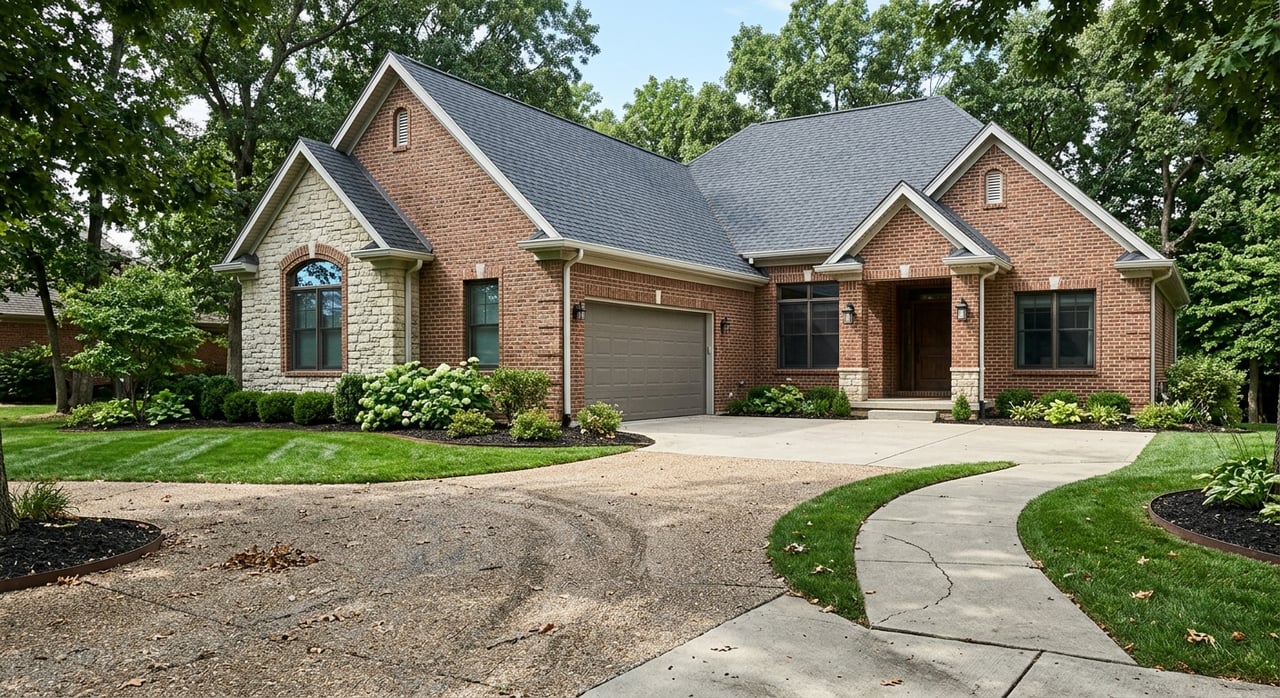
Central Breese Housing Market Trends for Buyers and Sellers
July 23, 2026
July 23, 2026
If you are trying to make sense of the housing market around Breese, you are not alone. In a small town market, a handful of listings or sales can make things look hotter or slower than they really are. The good news is that when you focus on the right trends, you can make smarter buying or selling decisions with more confidence. Let’s take a closer look.
Breese is a compact market with 4,301 residents across 2.7 square miles and 1,868 housing units. About 77% of homes are owner-occupied, and 81% of the housing stock is made up of single-unit structures. That gives the area a clear small-town pattern centered on detached homes rather than large multifamily inventory.
Current pricing shows Breese trading a bit above the broader Clinton County market. Redfin’s latest snapshot places the median sale price at $243,604, while Realtor.com shows a median listing price near $260,000 and ZIP code 62230 at about $261,200. By comparison, Clinton County’s Q1 2026 median sale price was $205,000.
The pace looks active, but not extreme. Redfin reports 49 days on market and 10 sales in May 2026, while Realtor.com shows 18 active listings. In a market this size, monthly numbers can swing quickly, so it is usually better to look at trends over several months instead of reacting to one busy or quiet stretch.
The simplest answer is moderately competitive. Redfin describes Breese as somewhat competitive, with average homes going pending in about 66 days and selling around 4% below list price. That tells you buyers still have room to evaluate homes carefully, but attractive properties can still move fast.
For sellers, that means pricing and presentation still matter. For buyers, it means you may not need to rush into every listing, but you do need to be ready when a well-kept home in a strong location hits the market. This is not a market where every house disappears overnight, but it is also not a market where condition can be ignored.
One of the most important things to understand about Breese is the age and style of its housing. The city’s comprehensive plan describes the local stock as neither especially new nor unusually old, with a median structure year built of 1967, plus a notable share of pre-1940 homes and another large wave from the 1970s.
That mix has a direct impact on value. In a market with older homes, buyers tend to pay close attention to updates, maintenance, and overall functionality. Features like updated kitchens, sound mechanical systems, maintained exteriors, usable basements, and garage space often carry extra weight here.
The inventory pattern supports that story. Current listings are focused mainly on single-family homes, often in the 2- to 4-bedroom range, along with some land listings. There is not a broad condo or apartment market, and new supply appears limited, with Clinton County reporting just 67 building permits in 2024.
If you are buying in Breese or nearby communities, your search will likely come down to a few practical filters.
Because much of the housing stock is older, two homes at a similar price can offer very different long-term value. A house with solid upkeep and thoughtful updates may save you money and stress compared with a home that looks appealing at first glance but needs major work later.
Pay close attention to roofing, windows, HVAC systems, exterior maintenance, and basement usability. In a small market, move-in-ready homes often stand out quickly because there are fewer alternatives at any given time.
Layout and day-to-day usability matter in Breese. Garage space, storage, lot setup, basement potential, and how the home flows for your routine can affect both your comfort and future resale appeal.
This is especially important when comparing homes from different decades. Older homes may offer character and established lots, while newer or updated homes may offer more modern layouts and systems.
Location still plays a meaningful role, even in a compact community. Breese identifies three business districts: Downtown, New Route 50, and Old Route 50. Homes near the town core or major corridors may feel more convenient for daily errands, services, and commuting.
Breese is also about 40 miles east of St. Louis, which can matter for buyers balancing small-town living with regional access. The city also operates its own electric power plant, water plant, and wastewater treatment plant, which adds practical appeal for in-town ownership.
Breese often functions as a central hub for surrounding communities in central Clinton County. Buyers may compare homes in Breese with options in nearby towns when commute, home style, or overall lifestyle fit feels similar.
That broader comparison matters because your best option may not be the first town you search. If you are open-minded about nearby communities, you may find a stronger match on price, condition, or lot size.
If you are selling around Breese, the market offers opportunity, but not much room for guesswork.
Since Breese appears to trade above the county median, countywide numbers alone may not tell the full story. A seller who prices only from broad county averages could miss the stronger value that some Breese homes command. At the same time, reaching too high can backfire in a market where buyers still weigh condition and price carefully.
The most useful pricing strategy is one built on recent Breese-area comparable sales, adjusted for condition, age, lot utility, and updates. In a small market, precise local context matters more than broad headline numbers.
This is not the kind of market where every listing sells instantly no matter how it looks. Redfin’s data suggests average homes are selling below list price, which tells you buyers are still making distinctions.
Before listing, focus on the basics that show well and reduce buyer hesitation:
If you have flexibility, spring and early summer are usually the strongest seasonal window because buyer activity tends to be higher. In a smaller market like Breese, that often means more active shoppers and a better chance to launch when attention is strongest.
Winter does not make a sale impossible, but inventory is often thinner and buyer traffic may be lower. If you list outside peak season, sharp presentation becomes even more important.
Breese is more than a single small-town housing market. It also serves as a practical center for nearby communities in the central part of Clinton County. That can support demand because buyers often evaluate Breese alongside neighboring towns rather than in isolation.
The city’s amenities add to that appeal. Breese highlights parks, a pool with splashpad, Bent Oak Golf Course, a public library, and healthcare connections. The city also notes local education options, including a public high school, a parochial high school, an elementary district, and a Catholic grade school.
For many buyers, that combination of local services, community amenities, and regional convenience helps shape value. It does not mean every home will command a premium, but it does help explain why Breese can perform differently from the county as a whole.
The Breese-area market is best understood as limited but workable. Inventory is modest, the housing stock is mostly owner-occupied and detached, and buyer demand is healthy enough that well-kept homes can attract solid attention. At the same time, it is still a market where realistic pricing, condition, and location make a real difference.
If you are buying, stay focused on quality and fit instead of just square footage or list price. If you are selling, lean on local comparisons and make sure your home shows at its best. In a market this size, the details matter.
When you are ready for practical guidance on buying or selling around Breese, Jay Kehrer can help you make sense of the local numbers and build a plan that fits your goals.
Stay up to date on the latest real estate trends.
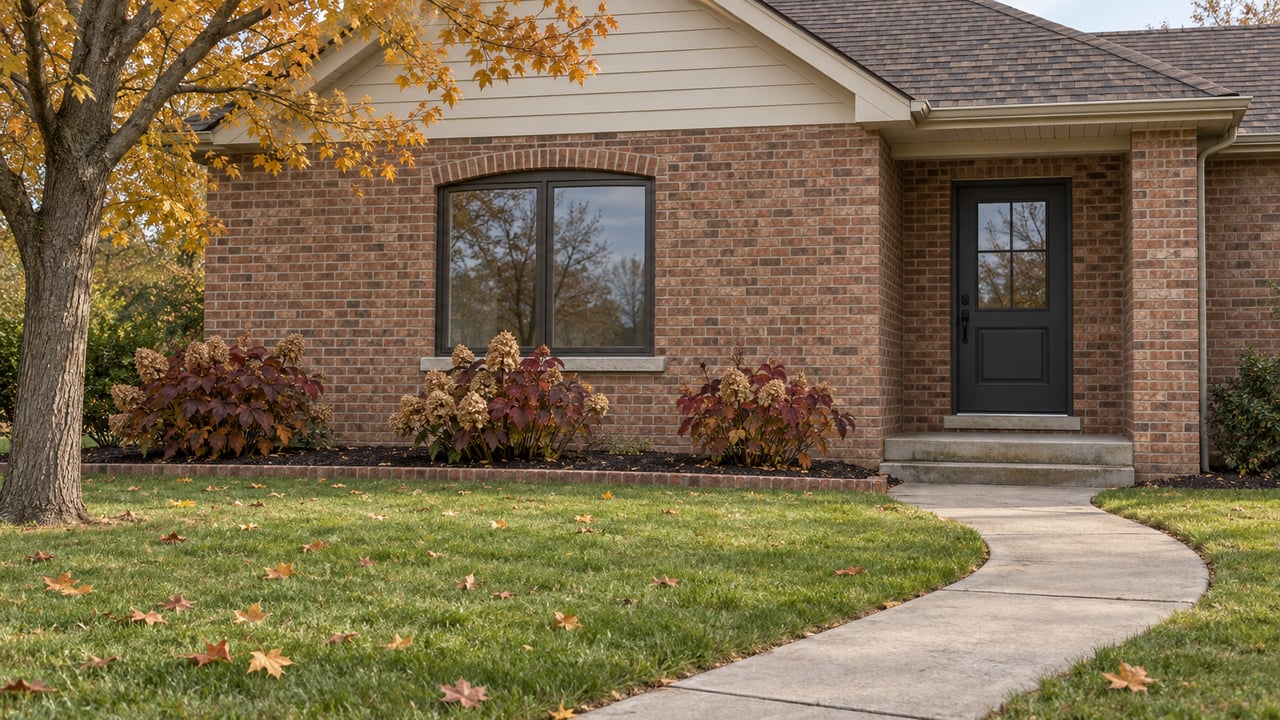
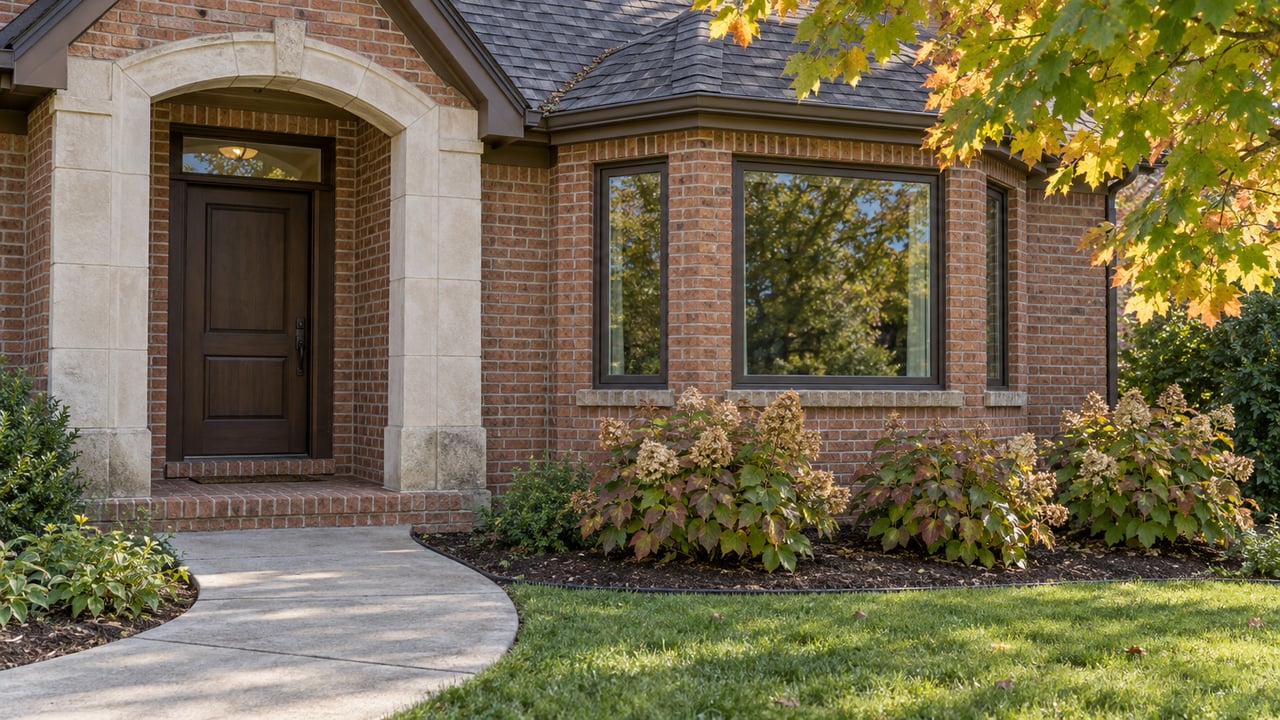
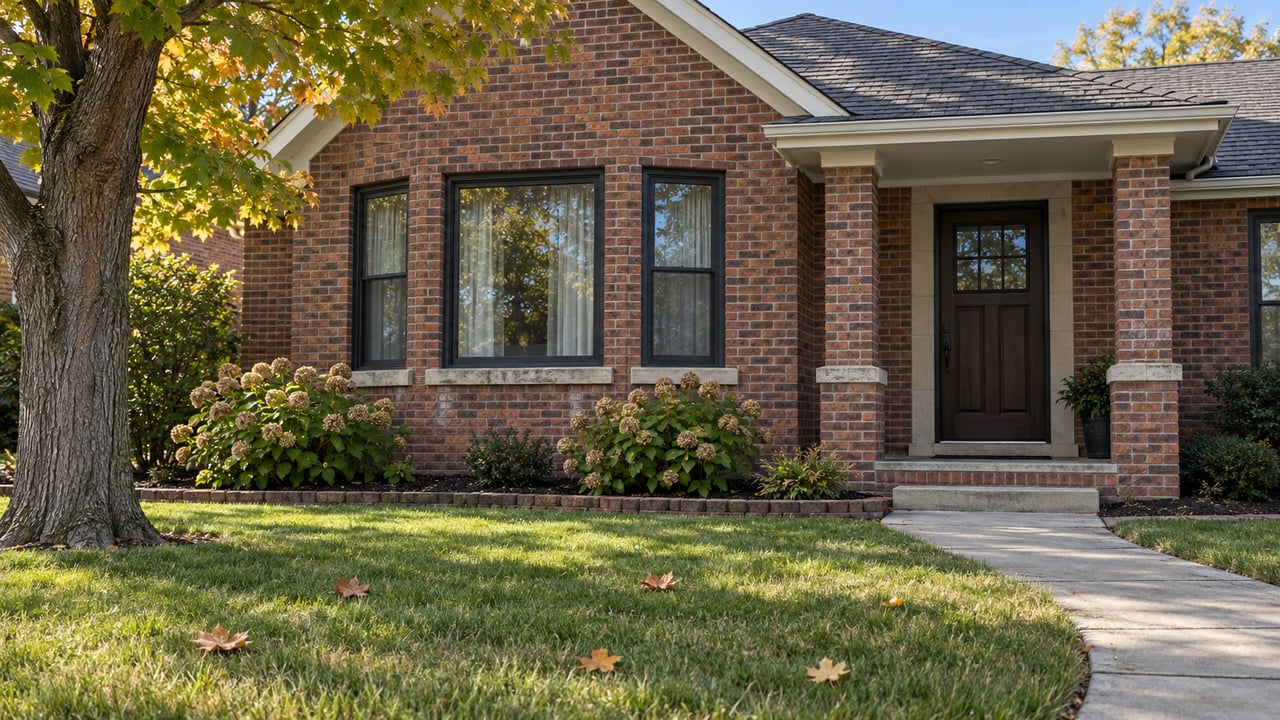
We pride ourselves in providing personalized solutions that bring our clients closer to their dream properties and enhance their long-term wealth.